
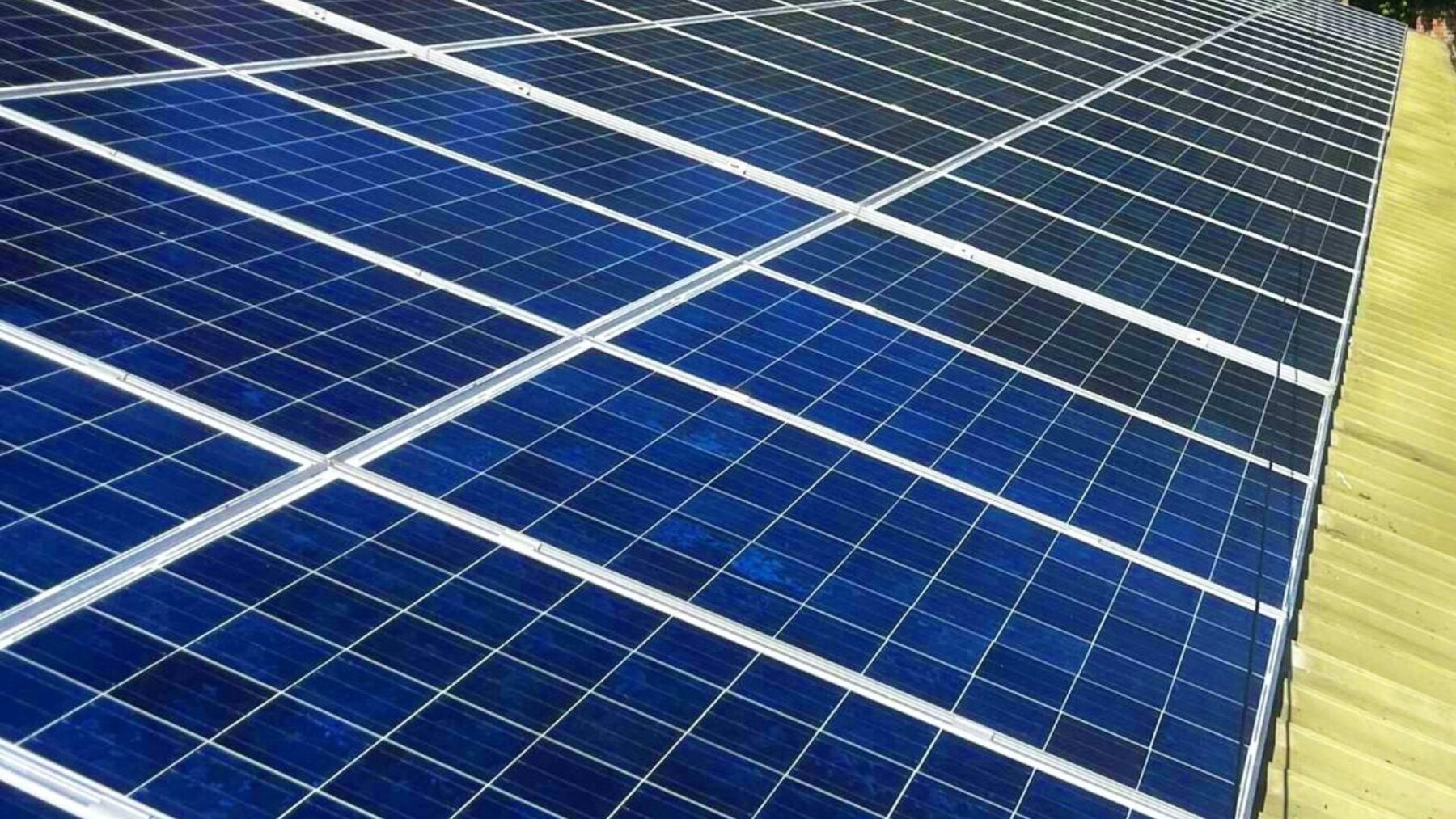
Solar panels on agricultural land
The new government faces a big challenge when it comes to getting the UK back on track to meet its emissions targets. The Climate Change Committee (CCC) released a report in July that estimated a five-fold increase in solar panel installation was needed – among other measures – in order for the UK’s obligations under the Paris Agreement to be met.
The expectation cannot fall solely on homeowners to make this happen, so other options, such as solar PV for agriculture, are being explored. The theory is that large numbers of solar panels can be erected on farmland to harness the sun’s power, significantly increasing the amount of green energy generated by the UK. Since space is abundant on farmland, it seems logical to place solar arrays here. But is it really that simple?
Will solar panels optimise or detract from agricultural land?
Installing a solar array on farmland may require special permission to be sought if the land is protected or listed. It’s also commonly assumed that the presence of solar panels would prevent crops being grown or animals grazing on that land.
However, solar PV for agriculture can deliver a double benefit to farmers. The land can in fact be used for both solar energy and food production at the same time, bringing a dual source of income. Since solar arrays aren’t harmful to animals, there’s no need to stop sheep from grazing among the panels. Alternatively, by using a raised setup, crops can be planted below or between the panels.
Some crops such as carrots, beets and kale are best grown in the shade, making them ideal for planting under solar panels. The cooler environment that is created by the array means less water evaporates, and as a result farmers don’t need to water their crops as frequently.
What are the disadvantages?
While there are some disadvantages to agrivoltaic farming, these can be overcome with careful planning. The main issue is that with both solar panels and crops on the land, both energy and crop yields will be slightly lower. That said, production would still equate to some 70% of what they would have been uncombined.
Those using machinery for farming may also need to make adjustments to their plans, as large vehicles cannot always fit beneath or between the panels. This issue can be solved by placing the solar array on five-metre long poles, which rotate to let tractors and other machinery pass thereby facilitating tending and harvesting.
Successful trials
While most agrivoltaic farming efforts have been small so far, there have been some encouraging success stories. In Colorado, USA, a farm has successfully grown crops such as turnips, tomatoes and lettuce while also generating enough electricity to power 300 homes. A larger project in the Netherlands has seen 3.3 hectares of raspberry crops grown under a solar system that produced enough energy to power 1,250 households.
Solar PV for agriculture in the south east
As commercial solar panel experts in Kent, we at South East Solar and Electrical can help you maximise your farm’s potential by installing solar panels and solar storage systems. Our team will assess your space and make a recommendation based on your requirements, ensuring you’re generating enough energy to power your farm and sell your excess power to the grid. Contact our commercial solar PV installers today to find out more.
Recent Posts

The Future Homes Standard: What It Means for Solar Panels
Discover what the Future Homes Standard means for solar panels, new builds and homeowners as England moves towards more energy-efficient homes.

Are Solar Panels Worth It as Energy Prices Continue to Rise?
Are solar panels worth it? Discover how solar PV can cut energy bills, reduce grid reliance and provide long-term savings for your home.

Is Now the Time to Invest in Solar Power?
Discover why more UK homeowners are choosing to invest in solar power. Learn how solar panels reduce energy bills, improve energy independence, and protect against rising energy costs.