
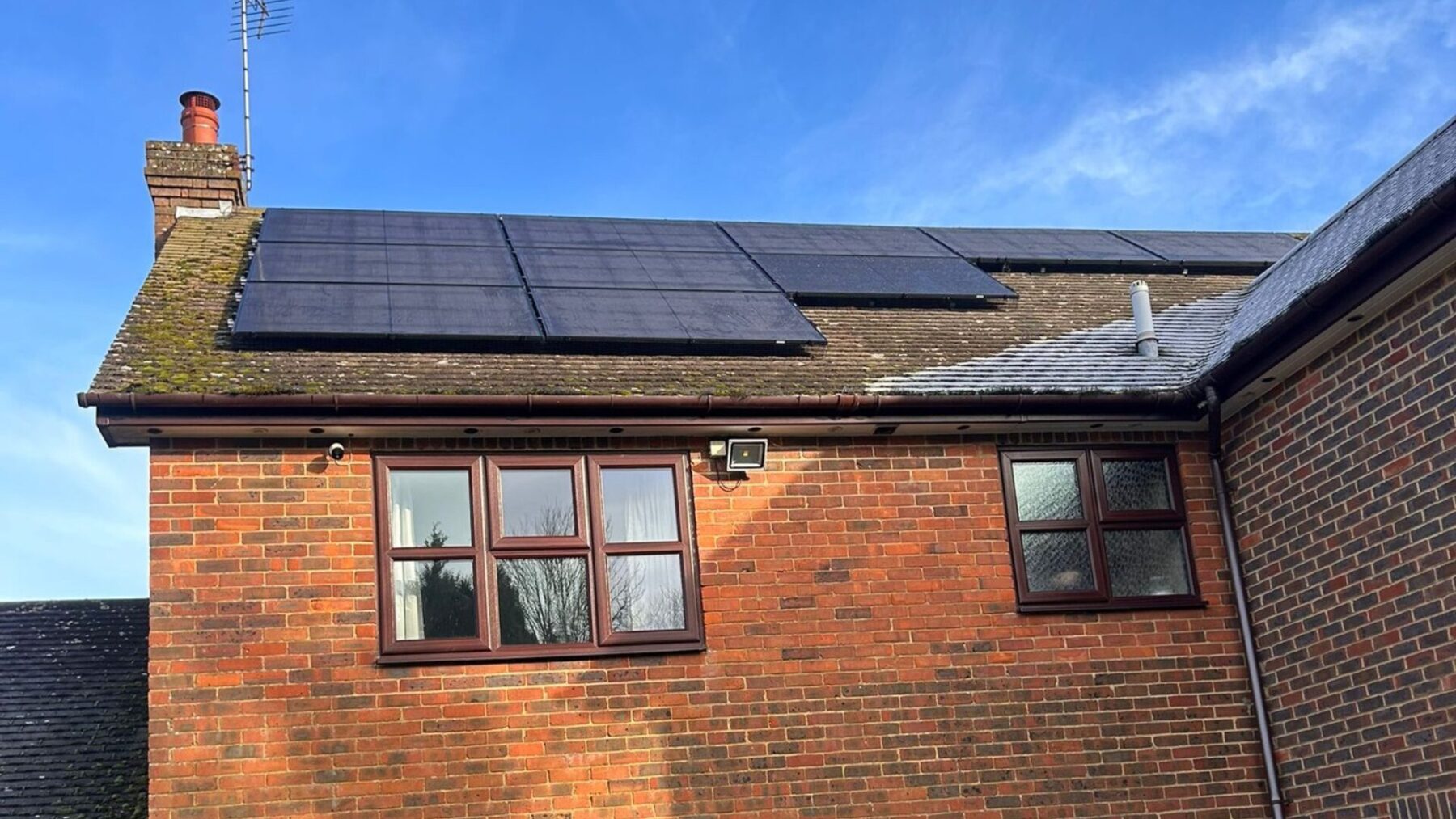
Choosing solar pv on your home
As the cost of utilities increases, many homeowners are asking, “Is solar PV right for me?” Whether driven by a desire to cut emissions or a need to reduce costs, the decision to invest in solar panels is often a shrewd one. Indeed, by the end of 2024, over 1.3 million households had made the switch, enjoying cleaner energy and lower bills. But the investment is a significant one, which requires the consideration of a number of factors before you commit. Here, we delve into everything you’ll need to think about when deciding if solar panels are the right choice for your home.
Assessing your energy
The first step towards deciding if solar photovoltaic (PV) is right for you is to assess your energy needs. You can do this by taking a look at your bills for the past year. These will show you both what you have been paying month to month and what your energy consumption has been. You can then identify any patterns that you need to be aware of, such as when you use most electricity. Is it during the week or at weekends?
If your home has a smart meter, you will be able to review your energy usage in the settings and determine your average consumption. To obtain a daily average, simply divide your total annual consumption by 365.
Alternatively, you can calculate your energy usage by looking at the Energy Guide label on your appliances. This will give you an estimate of the energy consumption and cost to operate the specific model you have. You can then calculate your total usage by adding together the consumption for each of your appliances.
The final thing you will have to consider when assessing your energy needs is your future plans. Do you intend to get an electric vehicle (EV) within the next few years? Are you planning an extension or renovations that will impact your overall energy consumption? You will need to take this into account when deciding if a solar PV system is right for you.
Evaluating your property
Once you have determined your energy usage, you’ll need to assess whether your property can support solar panels. Output is maximised if your roof is south-facing and completely unshaded, but a solar array can still work on roofs that are east or west-facing. You may need some extra panels in this case, as systems facing in these directions typically generate 15-20% less energy. With that in mind, ensure you have 10-20 square metres of roof space for your array.
If your roof is partially shaded by trees, nearby buildings or chimneys, you can use a device called an optimiser to minimise the impact of the shading. This can improve the overall performance of the system, enabling the unshaded panels to work optimally even if other panels are shaded. Solar panels can also be placed on a flat roof by expert installers and are tilted to help maximise efficiency.
In addition to the orientation and angle of your roof, you will need to consider its materials. Many roofing materials can support solar panels, including asphalt shingle, clay or concrete tiles, metal and tar (as long as it’s properly reinforced). Slate can also support solar panels, but it may require specialist installment as it is fragile.
When it comes to evaluating both your property itself and your energy consumption, you can contact an expert solar PV installer to help. A professional can carry out a site survey to determine your needs and the number of panels you’ll require. They can also talk you through the benefits of adding a solar battery to your setup.
Considering solar pv
The upfront cost of a solar panel system is what most people have in mind when considering installation. The good news is that solar PV is significantly cheaper than in previous years thanks to advancements in manufacturing and government incentives. A 3kW – 4kW system, which will power a 2-3 bedroom home, will typically cost £5,000 – £6,000. Larger homes may require a system of up to 6kW, which can cost up to £10,500.
If you’re adding a battery, the cost increases. Depending on the size and brand you choose, investing in a battery can add between £2,500 and £12,500 to your bill. Those with a hot water tank may also want to install a solar diverter. This can power the immersion heater, reducing your reliance on gas or grid electricity for hot water, and adds around £800 to your installation costs.
When considering how much you will spend on your system, it’s vital to take the payback period into account. A solar panel system can be expected to last 25-30 years with the proper maintenance, and homeowners can break even on their investment in as little as 11 years, leaving them better off for up to 19 years.
In terms of electricity bills, the amount you save depends on:
- the size and efficiency of your solar system
- how much your initial costs were
- where you live in the UK (which will impact the amount of sunlight you get)
- whether you sign up for export payments such as the Smart Export Guarantee (SEG)
According to the Energy Trust, those living in London and the southeast can expect to save between £510 and £690 annually, depending on usage. This is based on an electricity price of 24.5p/kWh. Conversely, those living in Scotland might save between £390 and £570 per year.
Technical aspects of solar pv systems
So what does a solar system consist of, exactly? Of course, there are the photovoltaic (PV) panels themselves, which capture sunlight and convert it into DC electricity. Your system will also have a solar inverter, which converts this DC electricity into usable AC electricity that can power your appliances. All solar systems will have these elements.
Optional additions to your system include solar batteries – which can store excess energy for use after dark – and solar diverters, which power the immersion heater in your hot water tank.
When your chosen installer conducts a site survey on your property, they will outline your options and the associated costs, as well as determining what size system will meet your energy needs.
Solar panels require periodic maintenance to perform optimally throughout their 25-30 year lifespan. Many solar panel specialists offer ongoing maintenance such as servicing and repairs to help you optimise your system’s efficiency. Beyond this, you may need to clean dirt and debris from your panels throughout the year, and remove snow in winter.
Energy independence and environmental impact
One of the primary reasons homeowners opt for solar panels is their sustainability. A typical home solar PV system can save up to a tonne of carbon per year, meaning you will be making a significant contribution to efforts to combat climate change.
In addition, your reliance on the National Grid will be reduced, giving you greater energy independence. This not only helps to further reduce the impact on the environment (since much of the electricity from the grid is still generated by burning fossil fuels), it also ensures you’re better protected from price rises and supply disruptions. You will even have the option of selling excess energy back to the grid under the Smart Export Guarantee. This means you get a fixed rate for every unit of electricity you generate and export. Rates depend on your chosen supplier, whether you are a customer with them and whether you have a solar battery. They range from 3.5p to 27p per kWh.
Do solar panels increase the value of my home?
Several studies agree that solar panels increase the value of a property, though the suggested percentage varies widely according to location, home size and energy efficiency rating. However, according to GreenMatch, the value of a home can rise by 6.2% to 6.8% – amounting to between £866 and £3,053.
Are solar batteries worth it?
If you’re considering a solar battery as part of your system, you’ll need to analyse your usage to see if the investment is worthwhile. With solar panels, you can only use the energy generated immediately – that is, during daylight hours. With a battery, surplus energy can be stored for later use, such as after dark or if there’s a power outage. This is particularly helpful for homes that are unoccupied during the day and tend to use most energy in the evenings.
As mentioned above, a battery can add between £2,500 and £12,500 to the cost of your system and impact the payback period, so it’s important to do your calculations carefully and consult your installer before making a decision.
Installing solar pv on your home
For the majority of UK households, solar PV is a worthwhile investment. Not only do they reduce your carbon emissions, they also lower your electricity bills and deliver greater energy independence. While a system could cost between £5,000 and £10,000+ depending on your needs and whether you have a battery and/or solar diverter installed, the payback period is typically less than half the lifespan of the solar panels.
Homes with unshaded, south-facing roofs are best placed to enjoy maximum efficiency, but a solar PV specialist can assist with evaluating your energy consumption and the suitability of your property for panels. For a no-obligation quote, contact South East Solar and Electrical today.
Recent Posts

The Future Homes Standard: What It Means for Solar Panels
Discover what the Future Homes Standard means for solar panels, new builds and homeowners as England moves towards more energy-efficient homes.

Are Solar Panels Worth It as Energy Prices Continue to Rise?
Are solar panels worth it? Discover how solar PV can cut energy bills, reduce grid reliance and provide long-term savings for your home.

Is Now the Time to Invest in Solar Power?
Discover why more UK homeowners are choosing to invest in solar power. Learn how solar panels reduce energy bills, improve energy independence, and protect against rising energy costs.