
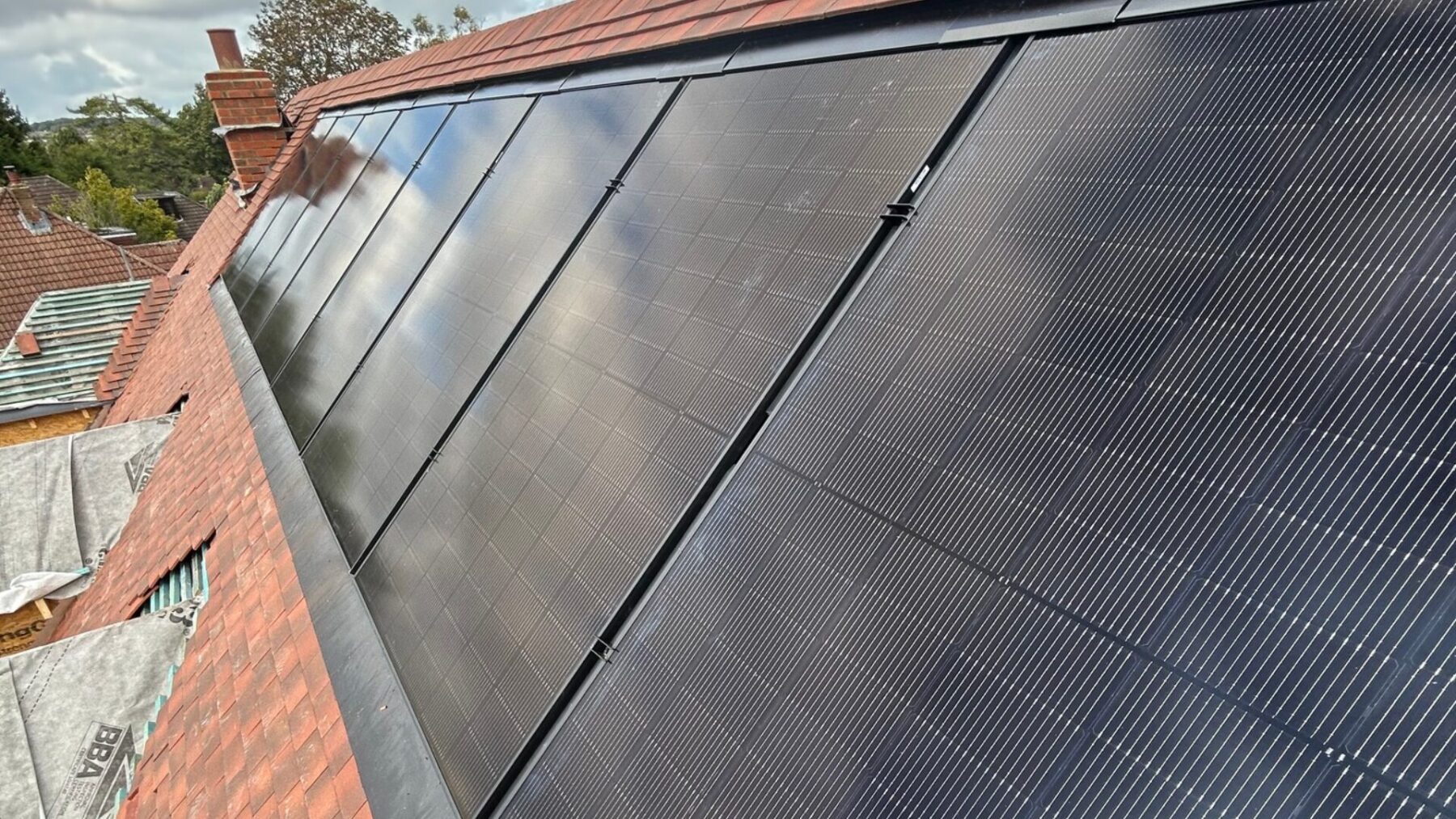
Lifespan of Solar Panels: How Long Do They Last in the UK?
If you’re thinking about investing in solar panels, one of the questions you’ll likely have is, “How long do solar panels last in the UK?” After all, the installation of a solar system requires a significant outlay, and you want to be sure of enjoying the best possible performance for the longest possible time.
The good news is that modern solar panel systems typically last for 25-30 years – but this doesn’t mean they simply stop working after that period. Like a boiler, a solar system’s efficiency gradually declines throughout its lifetime, and the 25-30-year estimate refers to how long it runs at optimal efficiency. Here, we look at the lifespan of solar panels in more detail and outline what to expect from your investment.
Typical lifespan of solar panels
Most monocrystalline and polycrystalline solar panel systems in the UK offer a lifespan of 25 to 30 years as standard before significant degradation sets in. However, you could still benefit from up to 40 years of use before it’s time to invest in a new system.
According to a 2021 study, the output of solar panels falls by between 0.5% – 0.8% each year. This is called the solar panel degradation rate and tells you how efficient you can expect your system to be as its lifetime progresses. A 0.8% degradation rate means that after 25 years your panels will still provide an efficiency of 82.5%; if you choose panels with a 0.5% degradation rate, they will operate at 87.5% efficiency after 25 years. There are even premium manufacturers who offer panels with a 0.25% degradation rate, guaranteeing an output of 92% after 25 years.
To ensure your solar panels continue to deliver efficient performance throughout their lifetime, manufacturers offer a performance or power warranty. This guarantees a certain level of output each year, and warranties can last from 25 years up to 40 years for premium products. Your installer can advise you about the solar panel warranty length of your chosen panels.
In addition, your panels will come with a product warranty of a minimum of ten years, which certifies against manufacturer defects. Reputable installers with MCS certification – such as South East Solar & Electrical – will also provide a workmanship warranty of up to five years.
Lifespan of inverters and batteries
A solar inverter is a critical part of the system, converting the direct current (DC) electricity generated by the panels into alternating current (AC) that can be used by appliances. Inverters usually have a shorter lifespan than the panels themselves, lasting 10-15 years on average.
The two main inverter options are string inverters and microinverters. String inverters are cheaper to install and replace, but can affect the overall efficiency of the system if the performance of one panel is reduced by shade or damage. Microinverters are fitted to each solar panel and facilitate optimal efficiency of the system as a whole. They are, however, more expensive to install and replace.
Solar batteries are designed to store any excess power produced by your solar panels, enabling you to use it after the sun sets. Like inverters, they have a shorter lifespan than your panels, usually lasting 10-12 years.
Influences on the lifespan of solar panels
There are several factors that influence the lifespan of solar panels. These include:
- Type of panels: The type of solar panels you choose will affect their lifespan. Monocrystalline panels (now the most common type) can last up to 40 years. Polycrystalline panels and solar tiles are usually expected to last 25-30 years, while thin-film solar panels have a lifespan of 10-20 years.
- Weather and climate: The UK is known for its very changeable weather, and this can have an impact on the degradation of your solar panels. Humidity, strong winds and high temperatures can all cause frame corrosion, the hardening of the crystalline silicon and cell contamination.
- Light: When solar panels are first exposed to sunlight, traces of oxygen in the silicon lead to a power stabilisation phase. This causes a degradation rate of up to 0.7% per year.
- Thermal cycling: Temperature fluctuations cause solar panels to expand and contract, a process called thermal cycling. This can result in microcracks, which affect efficiency.
- UV exposure: Constant UV exposure can cause the encapsulation material of the solar cells to degrade.
Solar panels have a higher degradation rate in areas of the UK that typically see high winds and snow during the winter. Here in the south east snow is less common, meaning degradation rates can be lower than in other parts of the country.
Solar panel maintenance in the UK
To enjoy the best possible efficiency from your solar panel system, it’s important to properly maintain it. Luckily, extending solar panel life is fairly straightforward, requiring only the following as a minimum:
- Periodic cleaning: Keeping the surface of your panels clean and free of debris will optimise efficiency and extend the lifetime of your system. You can simply brush away dirt and debris before cleaning the panels with a damp microfibre cloth. This should be done every 6-12 months.
- Professional maintenance: Solar panels should be serviced by a professional – such as the team at South East Solar & Electrical – once a year. This involves a full inspection of the system for microcracks and other damage, an assessment of the wiring, an efficiency check and more.
If you want to do more to protect your system and extend the life of your solar panels, you can also:
- Cover them with a tarpaulin during heavy storms or harsh weather conditions
- Apply a protective coating every few years to extend their durability
- Periodically prune back trees that overhang your panels
- Install bird proofing to protect against damage from birds and small animals
- Ensure gaps around the edges of the panels are sealed
End of life considerations
Even if your solar panels have a guarantee of 25 years, you won’t necessarily need to replace them after that time. They might continue to save you money on your energy bills for another 10-15 years – they just won’t be as efficient as when they were brand new.
Replacing your system will require consideration of costs, efficiency and any damage that has occurred during its lifespan. It’s a good idea to speak to your installer for advice before making a decision.
If you choose to invest in a new system, you may be wondering if recycling solar panels is possible in the UK. The good news is that up to 95% of a solar panel can be recycled, and it’s free for homeowners to have their products collected for recycling. Under Waste Electrical and Electronic Equipment (WEEE) regulations, solar panel installers are legally required to take back your solar waste. Alternatively, they may choose to pay for a government-approved Distributor Take-back Scheme (DTS) to collect and recycle your panels in accordance with industry regulations.
Expert solar panel installation in Kent and beyond
If you’re looking to invest in solar panels, get in touch with South East Solar & Electrical today. Our experts will visit your home or business to determine your energy requirements and provide a quote for your system, as well as advise on its expected lifespan. We also offer solar maintenance services to help you keep your panels operating at optimal efficiency. Speak to our team today and discover the benefits of solar power.
Lifespan of solar panels FAQs
Do solar panels stop working after 25 years?
No. Solar panels will continue to work after 25 years, but degradation means they will not operate as efficiently as when they were first installed. However, output can still be upwards of 80% after 25 years.
Will output suddenly collapse or gradually decline?
Output will gradually decline over the lifetime of your solar panels. The warranty will guarantee a certain output for its duration, after which efficiency will continue to decline steadily. High-quality products may be covered for 30-40 years.
What happens if an inverter fails?
The effects of a failed inverter depends on whether you have a string inverter or microinverters installed. If a string inverter fails you will notice a significant decrease in the output of your solar panels. The failure of a microinverter will only result in the cessation of output from the panel to which it’s connected. In either case, you should contact your solar PV installers for troubleshooting advice or to obtain a replacement.
Can solar panels be recycled?
Yes, up to 95% of any given solar panel can be recycled, including the aluminium frame, glass, silicon cells and metal parts. It’s a complex process, however, requiring specialist facilities and techniques.
If you need to access solar panel recycling, you can contact your installer. They are legally required to collect your panels or arrange for a government-approved distributor to take them back at no cost to you. There are several Designated Collection Facilities (DCFs) for solar panels in the south east, where your solar waste will be taken for disassembly.
Recent Posts

The Future Homes Standard: What It Means for Solar Panels
Discover what the Future Homes Standard means for solar panels, new builds and homeowners as England moves towards more energy-efficient homes.

Are Solar Panels Worth It as Energy Prices Continue to Rise?
Are solar panels worth it? Discover how solar PV can cut energy bills, reduce grid reliance and provide long-term savings for your home.

Is Now the Time to Invest in Solar Power?
Discover why more UK homeowners are choosing to invest in solar power. Learn how solar panels reduce energy bills, improve energy independence, and protect against rising energy costs.