
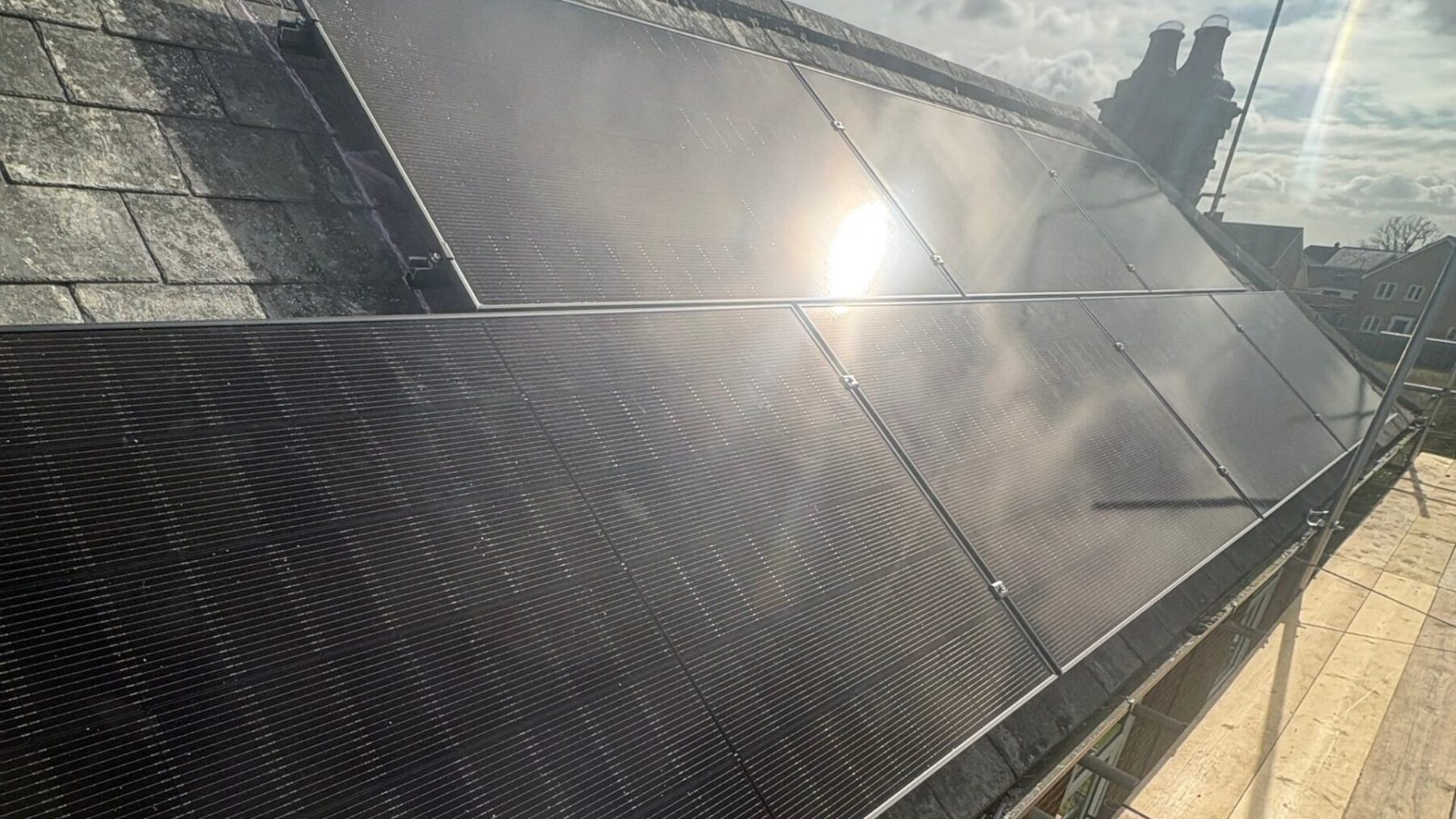
Solar Panels and Power Outages
Power outages are becoming more frequent across the UK due to a range of factors including extreme weather events, aging infrastructure and increasing demand on the grid. For those regularly affected by power cuts, solar panels can seem like a reliable solution, enabling you to keep the lights on and the appliances running during a blackout. However, the reality is a bit more complex. Understanding how solar panels interact with the National Grid, and what options exist for maintaining power during an outage, is crucial for any homeowner considering solar energy.
Do Solar Panels Work in a Power Cut?
In most cases, standard rooftop solar panels will not power your home during a blackout. This is because residential solar systems are usually connected directly to the grid, meaning that if there is an outage they will automatically stop supplying power.
This might seem confusing at first – after all, solar panels are supposed to make your home more energy independent. However, because solar panels can transport electricity to the grid via their connection, they must comply with safety regulations that are designed to protect network engineers in the event of a power cut. A function known as ‘anti-islanding’ causes your solar inverter – the device that converts solar energy into usable electricity – to automatically shut off when the grid goes down. This prevents power from being sent back to lines when repairs are underway, minimising the risk of de-energised lines suddenly becoming live and injuring an engineer working on them.
As a result, even if the sun is shining and your panels are producing electricity, a typical grid-connected system will stop supplying your home during a power outage. Although this may seem disappointing, it’s not something that installers can circumvent since it’s a legal and safety requirement.
How to Keep Power During an Outage
So does that mean that your solar panels are useless during a power outage? Not necessarily; it simply means that most solar systems are not designed to operate without a connection to the grid. There are options for those who want to keep the lights on during a blackout, but they require some extra steps.
- Go off-grid
You can opt for a solar system that is not connected to the grid. This may be a good option if your property is in a remote location, but off-grid systems are reliant on a large amount of battery storage and require careful energy management. For this reason they’re not a common solution.
- Battery storage
A far more popular solution is to add a battery storage system to your grid-tied solar setup. A battery stores excess power generated by your solar panels, enabling you to use it at other times, such as during the evening. If the grid fails and your solar panels stop producing electricity, your home can draw power from the battery to keep essential appliances running.
However, a battery installation won’t provide energy during a power cut unless it’s set up to do so. Your system must include a special backup inverter, which detects the loss of grid power and safely disconnects your home. This ensures no electricity flows back to the network. Once isolated, the inverter switches to ‘island mode’, also known as Emergency Power Supply (EPS),enabling your home to act as a small, self-contained power system and keep essential appliances running.
Most systems supply energy to an ‘essential loads’ circuit, which excludes high-demand appliances such as ovens, heat pumps and EV charges while enabling lights, fridges and broadband to run.
It’s important to understand that a battery has limits on the amount of power it can provide during an outage. Most have a capacity of 5-15kWh, enabling them to provide power for 6-14 hours. However, using a tumble dryer can quickly drain supply, so energy management is critical when you’re using backup power.
Benefits of a Solar Battery for Energy Security
Adding a battery to your solar system not only gives you the option of running your essential appliances during power outages, it also transforms your setup from a daytime-only power source into a round-the-clock energy solution. Battery storage enables you to use more of your own, sustainably generated energy, reducing your reliance on the grid and lowering your electricity bills. This flexibility also supports wider energy resilience, helping communities cope with severe weather or unexpected disruptions.
Is It Worth Adding Battery Storage?
Deciding whether to invest in battery storage depends on your priorities, budget, and how much you value energy security. While a solar battery brings a significant addition to the upfront cost of your solar PV system, it provides greater long-term savings and can reduce the payback period for your system as a whole, particularly when factoring in future price rises.
If you live in an area where outages are frequent, a solar battery could prove a useful solution, enabling you to continue working or using health equipment when the grid fails. Families who simply want to reduce their carbon footprint and bills may also find value in storing and using more of their own solar power.
Why choose South East Solar and Electrical?
While solar panels alone won’t keep your home running during a power cut, combining them with battery storage and the right inverter technology can transform your energy security, delivering greater resilience and lower energy bills.
If you’re considering a solar PV system and want to explore the benefits of adding a battery to the setup, get in touch with South East Solar and Electrical today. Based in Kent and Oxford, we have a team of MCS-certified installers who will assess your energy requirements and priorities, and recommend the right solution for your home. We’ll supply and fit a system that complies to the highest safety standards, enabling you to enjoy a greener lifestyle and greater energy independence. We also offer ongoing support with maintenance to help you optimise the lifespan of your system.
Contact us today to discuss your needs or obtain a no-obligation quote.
Recent Posts

The Future Homes Standard: What It Means for Solar Panels
Discover what the Future Homes Standard means for solar panels, new builds and homeowners as England moves towards more energy-efficient homes.

Are Solar Panels Worth It as Energy Prices Continue to Rise?
Are solar panels worth it? Discover how solar PV can cut energy bills, reduce grid reliance and provide long-term savings for your home.

Is Now the Time to Invest in Solar Power?
Discover why more UK homeowners are choosing to invest in solar power. Learn how solar panels reduce energy bills, improve energy independence, and protect against rising energy costs.